Expiration tracking makes renewal deadlines visible
A useful monitor keeps the expiration date and renewal window in front of the team instead of buried inside registrar accounts.

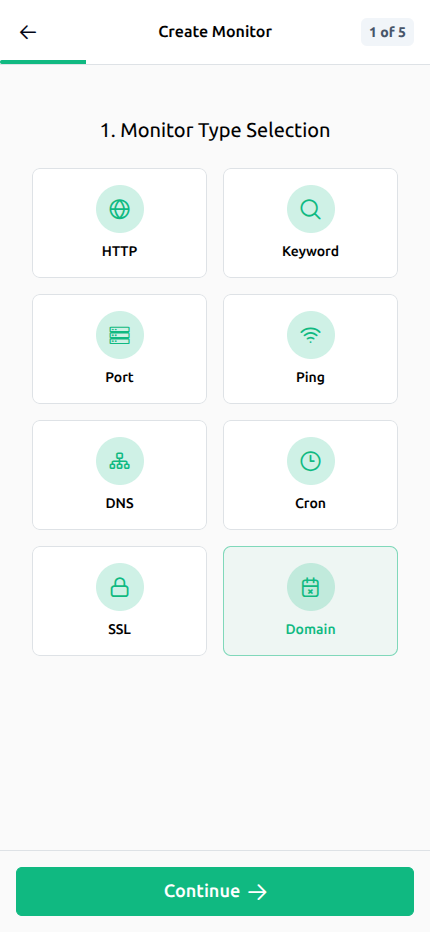
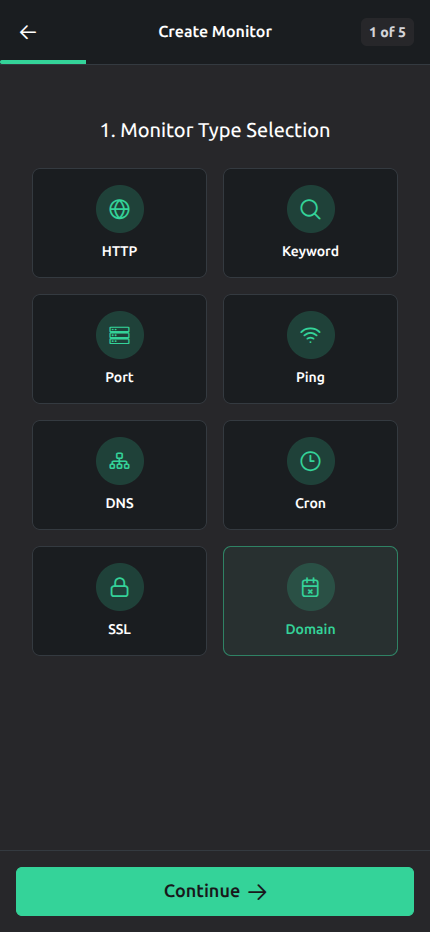
Domain expiry monitoring with UptimeTick helps teams track expiration dates, registrar details, and renewal deadlines before a missed domain renewal turns into website downtime, email disruption, DNS failure, or accidental ownership loss.
Expiration date tracking
Keep domain expiry timelines visible so renewal work starts before deadlines become risky.
WHOIS and registrar visibility
See the domain details that matter when ownership and renewal responsibility need to be clear.
Early domain expiry alerts
Notify the right team before missed renewal turns into an avoidable outage.
Checks, incidents, alert context, and recovery history stay in one place so your team can investigate faster.
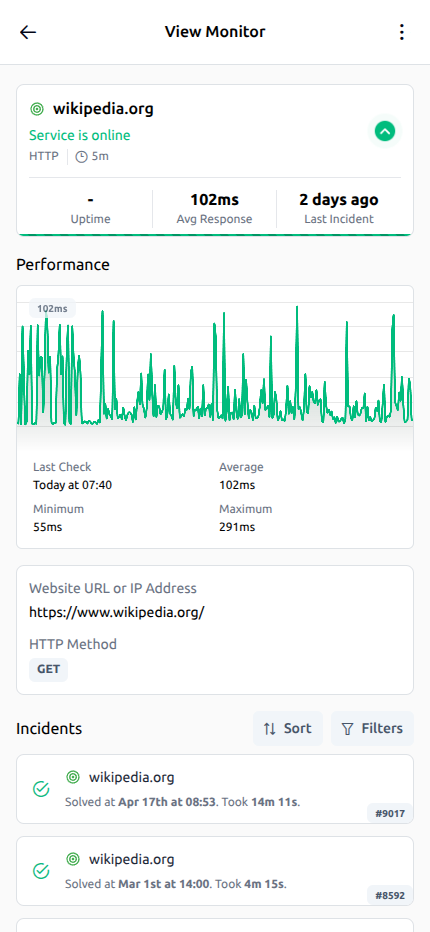
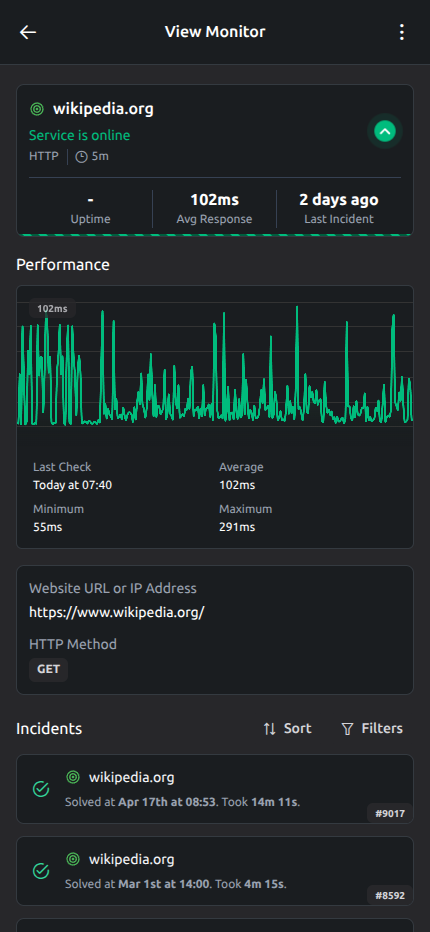
Outage timeline
See when an incident started, how it progressed, and when service fully recovered.
Response time trends
Track performance shifts and spot slowdowns before they affect the user experience.
Alert context in one view
Checks, incident history, and critical signals stay together to speed up investigation.
Domain expiry monitoring is the process of tracking a domain’s expiration date and surfacing the renewal timeline before ownership continuity is at risk. A domain expiry checker helps teams see when a domain is nearing expiration, who the registrar is, and how much time remains to renew safely.
That matters because domain loss often happens unexpectedly. Renewal notices may go to the wrong inbox, a former team member may still own registrar access, auto-renew can fail, payment methods can lapse, or an agency-managed domain may sit outside the company’s normal operational workflow. When the deadline is missed, the problem quickly spreads beyond one website. Email can stop, DNS can fail, and brand-critical services can disappear behind a preventable ownership issue.
A useful monitor keeps the expiration date and renewal window in front of the team instead of buried inside registrar accounts.
A domain is active until its renewal deadline is missed, after which service continuity becomes dependent on registrar rules and recovery timing.
Missed notices, unclear ownership, billing issues, and registrar dependency cause many domain incidents long before anyone expects them.
In production, domain expiration monitoring should make ownership continuity visible without requiring teams to manually check registrars or remember expiry dates by calendar alone. That means checking WHOIS-backed expiration data, showing the renewal timeline clearly, and generating alerts before the deadline creates operational risk.
UptimeTick checks the domain expiration date so teams can see whether the asset is moving safely toward renewal or toward risk.
The monitor keeps the time remaining visible, helping teams plan renewal before DNS, websites, or email are exposed to interruption.
UptimeTick sends alerts ahead of the deadline so domain renewal monitoring becomes a planned task instead of a last-minute scramble.
A missed domain renewal is rarely isolated. Once ownership continuity becomes uncertain, multiple business systems can fail at once because the domain sits underneath web, DNS, email, and brand trust.
When a missed renewal takes your site offline, the visitor-facing impact is easier to track with website monitoring.
When a critical domain expires, the public website tied to it can stop resolving or become unreachable through normal DNS paths. That turns a billing or process mistake into an immediate customer-facing outage.
Domain expiry monitoring helps teams see the risk before the website disappears, which is why renewal visibility is a practical uptime safeguard even though the problem starts at the registrar layer.
Email depends on the domain as much as the website does. If a domain falls out of good standing, mail delivery can fail, support inboxes can go dark, and operational communication can break at the same time the website is affected.
That makes domain renewal monitoring important for sales, support, billing, and security workflows, not just marketing sites.
A domain issue can ripple into DNS availability, subdomain resolution, and service discovery across properties that depend on the same zone. This is especially painful in environments where many systems hang off one corporate or product domain.
Once DNS trust is disrupted, the impact often spreads wider than the original team expected because multiple services stop resolving together.
The most serious risk is not just downtime. It is losing control of the domain itself. If the renewal window is missed and recovery options narrow, domain ownership continuity can become dependent on registrar grace rules, redemption timing, or third-party action.
Monitoring expiration dates early helps teams avoid turning a routine administrative task into a difficult ownership recovery problem.
Get the right level of coverage for the domains your website, email, and operations depend on.
A reliable domain expiration monitoring tool should make deadlines visible, ownership context clear, and alerting fast enough that teams can renew before operations are affected.
Certificate renewals and domain renewals often move together, which makes SSL monitoring a natural companion.
Expiration tracking is the foundation of domain expiry monitoring. Teams need a clear view of when a domain reaches its deadline so renewal is handled as scheduled work rather than emergency response.
That visibility matters even more in environments with multiple brands, product domains, regional properties, or legacy assets spread across different owners.
Renewal reminders keep upcoming work visible before the deadline becomes urgent. This is especially useful when the people responsible for domains are not the same people running infrastructure or product operations.
A reminder tied to actual domain monitoring is far more reliable than depending on memory, inbox filtering, or one registrar notification.
Registrar visibility helps teams understand where a domain is managed and which external dependency sits between them and renewal. That context matters when ownership is unclear or when an issue needs to be escalated quickly.
For businesses, agencies, and distributed teams, seeing registrar information can shorten incident response and reduce confusion over who actually controls the asset.
Domain expiration alerts are most useful when they arrive early enough for teams to verify registrar access, update billing, confirm ownership, and complete renewal without time pressure.
UptimeTick sends alerts before the final deadline so the domain remains an operational asset, not a surprise incident waiting to happen.
Historical visibility helps teams understand whether a domain has been drifting toward risk over time or whether renewal hygiene is improving. That is useful for governance, handoffs, and post-incident review.
Looking back at previous checks also helps explain why a domain issue happened and whether it reflects a one-off miss or a broader operational pattern.
A domain is more than a web address. It anchors brand continuity, customer trust, communication, and online service delivery. When ownership or renewal breaks, the disruption spreads quickly.
A domain is part of how customers find and trust your business, so losing control of it creates immediate brand risk.
Missed renewals can take websites and supporting services offline even when the underlying infrastructure is healthy.
If a company domain stops resolving, users often interpret the issue as instability, neglect, or a security concern.
Domain problems can affect websites, email, DNS records, and internal dependencies at the same time.
UptimeTick gives teams a practical domain renewal monitoring workflow with early alerts, clear visibility, and centralized monitoring alongside the rest of their operational checks.
For a fuller availability picture beyond ownership deadlines, keep domain checks inside uptime monitoring.
Create a domain expiry monitor quickly and manage it alongside HTTP(s), SSL, ping, port, and heartbeat checks.
Get notified before expiration dates become urgent so renewal issues are handled before they affect customers or staff.
Use UptimeTick mobile apps to review domain status and alerts when you are away from your desk.
Keep domain expiration monitoring in the same workflow as uptime, certificates, incidents, and other infrastructure visibility.
Different teams rely on domain renewal monitoring for different reasons, but the shared goal is the same: keep domains active, owned, and operational before expiration causes preventable disruption.
Protect product domains, login routes, marketing sites, and customer-facing properties that depend on uninterrupted ownership continuity.
Keep client domains visible across portfolios where registrar access, ownership, and renewal responsibility may be distributed.
Monitor storefront and transactional domains where missed renewal can affect traffic, trust, email, and revenue simultaneously.
Track domains tied to internal portals, mail systems, VPN access, and business services where expiration can disrupt daily operations.
Clear answers for teams comparing domain expiry checkers and domain expiration monitoring tools.
Domain expiry monitoring is the process of tracking a domain’s expiration date and alerting teams before the renewal deadline creates a risk of downtime, email disruption, or ownership loss.